

Estate planning rarely makes it to the top of the weekend to-do list. It feels morbid. It takes time. Most people just assume their partner or kids will figure it out when the time comes. But leaving things up in the air usually means leaving a mess of legal fees, family disputes, and locked bank accounts. Proper estate planning is about retaining control over what you have built and making sure the right people can actually access it. Here is a practical look at where to begin.
1. Get a valid Will sorted
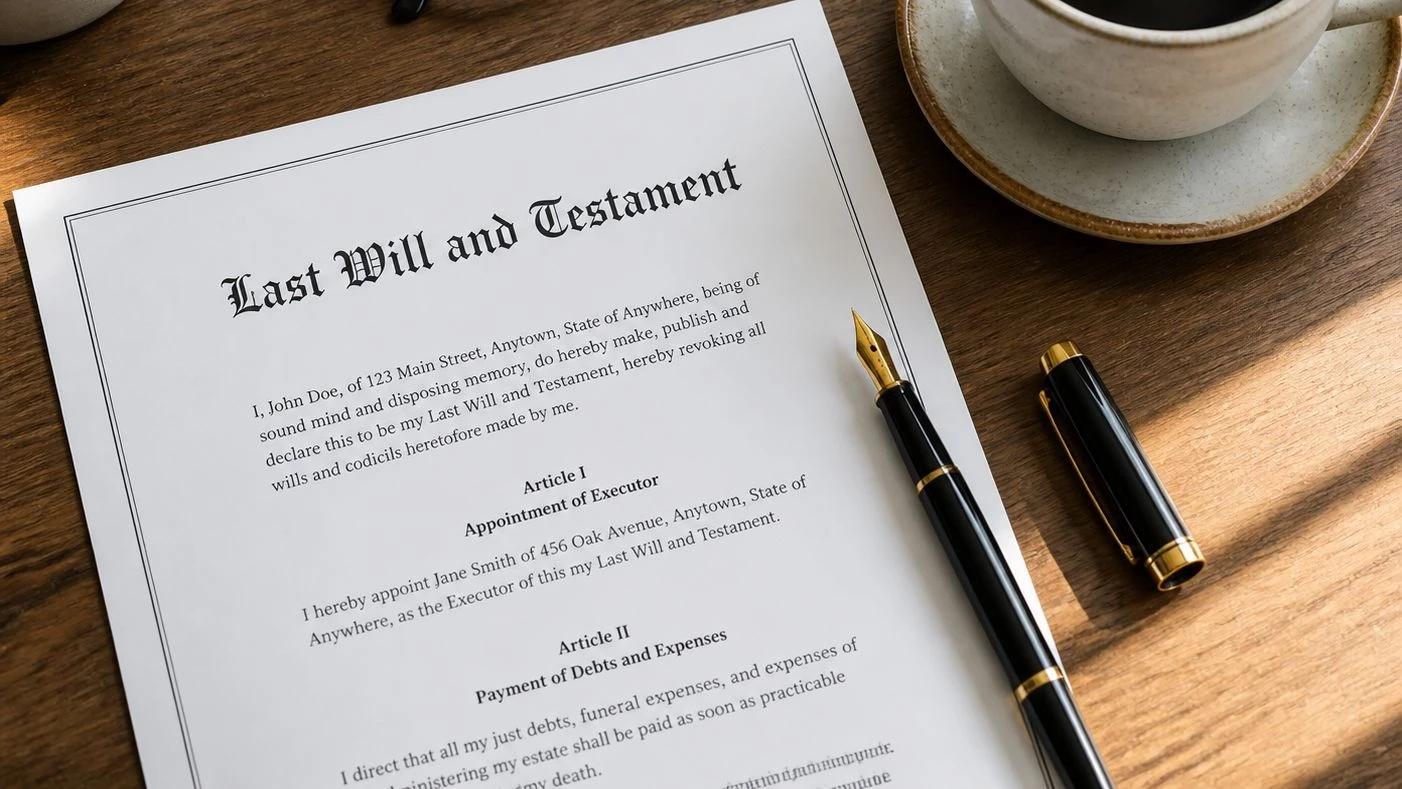
A DIY Will kit from the post office might seem like an easy win. In reality, poorly drafted Wills are a major cause of estate litigation. You need a legally binding document that clearly outlines who gets what and who is responsible for managing the process. The executor you appoint needs to be someone capable of handling paperwork, dealing with accountants, and managing family dynamics. Be specific about your assets. Vague wording creates loopholes that disgruntled relatives can exploit, tying your estate up in the Supreme Court for years.
2. Review your Superannuation payout nominations
A common misconception in Australia is that your Will covers your Superannuation. It usually does not. Superannuation is held in trust, meaning the trustee of your fund ultimately decides who gets your balance and life insurance payout unless you have a valid Binding Death Benefit Nomination in place. Log into your Super account and check your current nominations. If they are non-binding or have lapsed, update them immediately. If you have a Self Managed Super Fund, the rules are dictated by the trust deed. A poorly drafted SMSF deed can result in your payouts ending up in the wrong hands entirely.
3. Appoint an Enduring Power of Attorney
Estate planning is not just about what happens after you die. It is also about what happens if an illness or accident leaves you unable to manage your own affairs. An Enduring Power of Attorney gives someone you trust the legal authority to sign documents, pay bills, sell property, and manage your bank accounts if you lose capacity. Do not leave this until your cognitive health is in question. The law requires you to have full mental capacity at the time you sign the document, otherwise it is invalid.
4. Sort out an Enduring Guardian or Medical Decision Maker
While an Enduring Power of Attorney handles the money, you need a separate document for health decisions. Depending on your state, this might be called an Enduring Guardian or an Advance Care Directive. This person will make the hard calls about medical treatments, aged care facilities, and end of life care if you cannot speak for yourself. Pick someone who is calm under pressure and understands your personal values. They will be the one talking to doctors and signing off on medical procedures.
5. Document your digital assets
Think about how much of your life is locked behind passwords. Online banking, email accounts, accounting software, and digital photo storage all become inaccessible the moment you pass away. Many online accounts now use two factor authentication linked to a specific mobile phone. If that phone line is disconnected, accessing those accounts becomes nearly impossible. Write down a list of your important digital assets and clear instructions on how to access them. Without this, your executor will spend months arguing with tech companies just to shut down an email account.
6. Secure your physical documents

An executor cannot administer your estate if they cannot find the original Will. Copies are rarely accepted by the probate office without a massive legal fight. You need a secure location for your Will, property titles, birth certificates, and trust deeds. Some people leave these with their lawyer, but keeping them in a secure physical location you control is often a better option. If you go this route, consider a private security box. For example, looking into locker hire Melbourne or a similar secure facility in your local area ensures your documents are safe from fire, flood, or being misplaced during a house move. Just make sure your executor knows where the key is.
7. Understand testamentary trusts
If you are leaving substantial assets or a life insurance payout, handing a lump sum directly to an eighteen year old is rarely a good idea. A testamentary trust is a trust written into your Will that only comes into effect after you pass away. It protects the inheritance from bankruptcy and family court proceedings if your beneficiary gets divorced later in life. It also offers significant tax advantages, especially for beneficiaries with minor children, as the income generated by the trust can be distributed among family members on lower marginal tax rates.
8. Keep business succession separate but aligned
If you run a company or have a family trust, your Will does not automatically control those assets. A company is a separate legal entity. If you are a director or shareholder, you need to check your company constitution and shareholder agreements to see what happens to your shares. Often, these corporate documents will override whatever you have written in your personal Will. Your accountant and lawyer need to talk to each other to ensure your business succession plan completely matches your personal estate plan.
9. Think about guardianship for minor children
This is usually the hardest part for young parents, but it is entirely necessary. If you and your partner both pass away, someone needs to raise your kids. If you do not nominate a guardian in your Will, the family court will make that decision for you. Have a frank conversation with the people you want to step in. Make sure they are actually willing to take on the responsibility and have the financial capacity to do so. You can also leave a letter of wishes alongside your Will detailing how you want your children to be educated.
10. Review the plan every few years
An estate plan is not a set and forget task. Life changes rapidly, and the law changes right alongside it. In most Australian states, getting married automatically revokes an existing Will unless that Will was made in contemplation of your specific marriage. Separation does not revoke a Will, which means your ex-partner could still inherit everything if you pass away before the divorce is finalised. You should dust off your estate plan every three to five years, or whenever you experience a major life event like buying property, starting a business, or having another child.
Getting these documents sorted requires a bit of effort upfront. Once it is done, you can file it away and get on with running your life and your business, knowing the legal side is locked down.
